
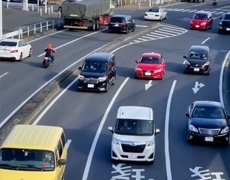
In Japan, cars drive on the left side of the road.
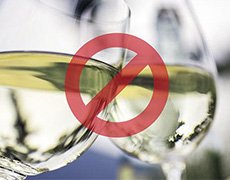
Drinking and driving is prohibited by the Road Traffic Act.
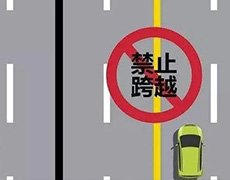
Solid orange lines mean lane changing and overtaking is prohibited.
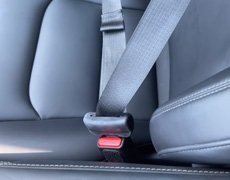
Fastening your seat belt properly is the basis of safe driving. Don't forget to do so not only in the driver's seat and passenger seat, but also in the back seat!
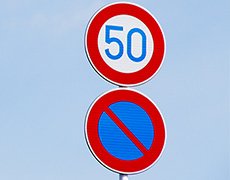
The speed limit on expressways is 80km to 100km per hour, and on general roads it is 30km to 60km per hour.
Under the Road Traffic Act, drivers are required to use child seats when carrying children under the age of 6.
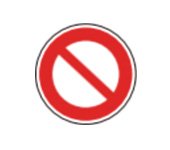
Vehicles not allowed
Vehicles (cars, motorbikes, light vehicles) are not permitted to pass through.
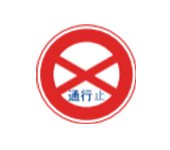
Road Closed
All pedestrians, cars and trams are prohibited from passing through.
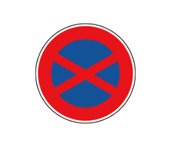
No parking allowed
Cars are not allowed to park or stop. (The numbers above indicate the times when parking is prohibited, in this case from 8:00 to 20:00.)
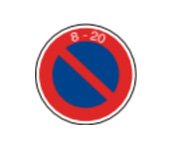
No Parking
Cars may not be parked. (The numbers above indicate the times when parking is prohibited, in this case from 8:00 to 20:00.)
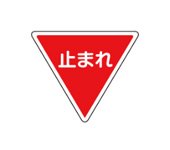
Pause
Cars must stop immediately before the stop line, or before the intersection (sign) if there is no stop line.
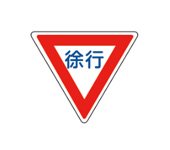
Slow down
Vehicles must drive slowly (at a speed that allows them to stop quickly).
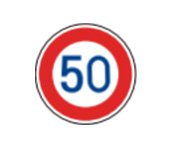
Maximum speed
Vehicles must not be driven faster than posted speed limits.
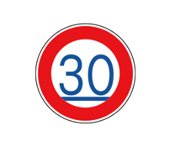
Minimum speed
Vehicles must not travel at less than the posted speed.
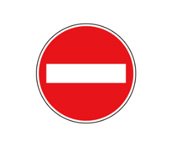
No vehicles allowed
Vehicles cannot enter. (These are provided at the exits of one-way streets, etc.)
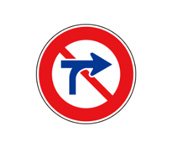
No vehicle crossing
Vehicles may not cross the road (vehicles may cross the road and make a left turn to enter or exit off-road facilities or locations).
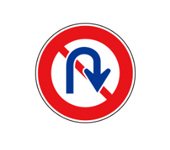
No Turning
The car cannot turn.
No overtaking
Cars (vehicles) must not overtake.

Prohibition of proceeding outside the designated directionVehicles may not proceed in a
Vehicles may not proceed in any direction other than that indicated by the arrow.
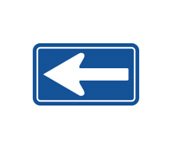
One Way
Vehicles can travel in the direction indicated by the arrow. Vehicles cannot travel in the opposite direction.
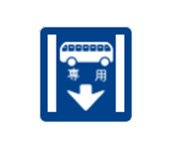
Dedicated lane
This sign indicates that the lane is reserved for the vehicle indicated on the sign (in this case, a lane reserved for route buses, etc.)
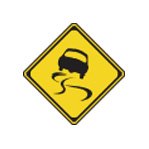
Slippery
This indicates that the road ahead is slippery due to ice or other factors.
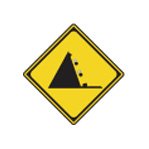
Beware of falling rocks
This indicates that there is a risk of falling rocks on the road ahead
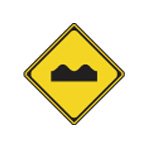
Road surface is uneven
This indicates that the road surface ahead is uneven
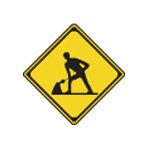
Road construction in progress
It indicates that the road is under construction.
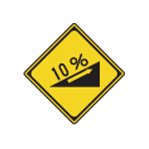
There is a steep uphill slope
It indicates that there is a steep uphill slope ahead.
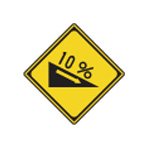
There is a steep downhill slope
It indicates that there is a steep downward slope ahead.
Road construction in progress
It indicates that the road is under construction.
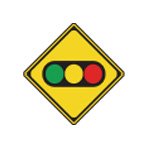
Traffic lights available
It indicates that there is a traffic light ahead.
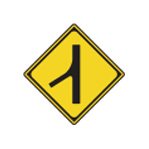
There is a merging traffic
It indicates merging traffic ahead.
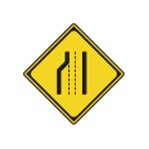
Fewer lanes
This indicates that the number of lanes ahead is decreasing.
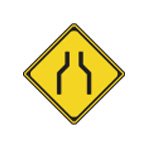
Width decrease
It indicates that the road ahead narrows.
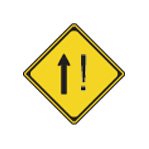
Two-way traffic
This indicates that the road is for two-way traffic.
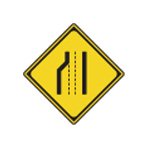
There is a railroad crossing
This indicates that there is a railroad crossing ahead.
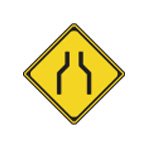
Beware of crosswinds
This indicates that caution is needed against crosswinds.
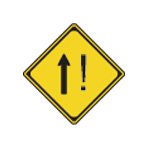
There is a risk of animals jumping out
This indicates that there is a risk of animals jumping out onto the road.
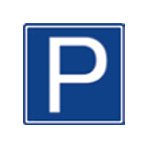
Parking available
Cars can be parked.
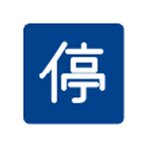
Parking possible
The car can be parked.
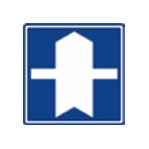
Priority road
The sign indicates that the road is the priority road.
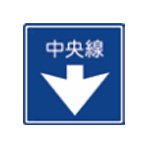
Chuo Line
The sign indicates that it is located in the center of the road or on the center line.
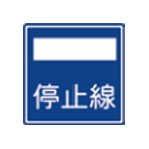
stop line
The position of the sign indicates where vehicles should stop.

Safe Zone
This indicates a pedestrian safety zone and vehicles are not allowed to pass through
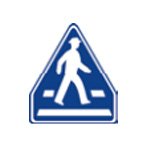
pedestrian crossing
This indicates a pedestrian crossing.
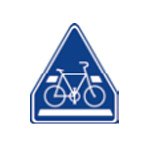
Bicycle crossing
Indicates a bicycle crossing
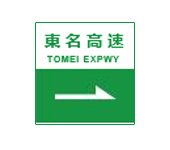
It indicates the direction of the highway entrance
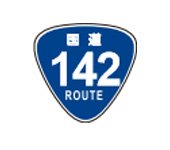
It shows the national highway number.
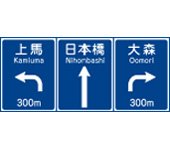
It indicates a direction or orientation.
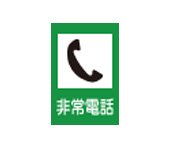
Emergency phone